











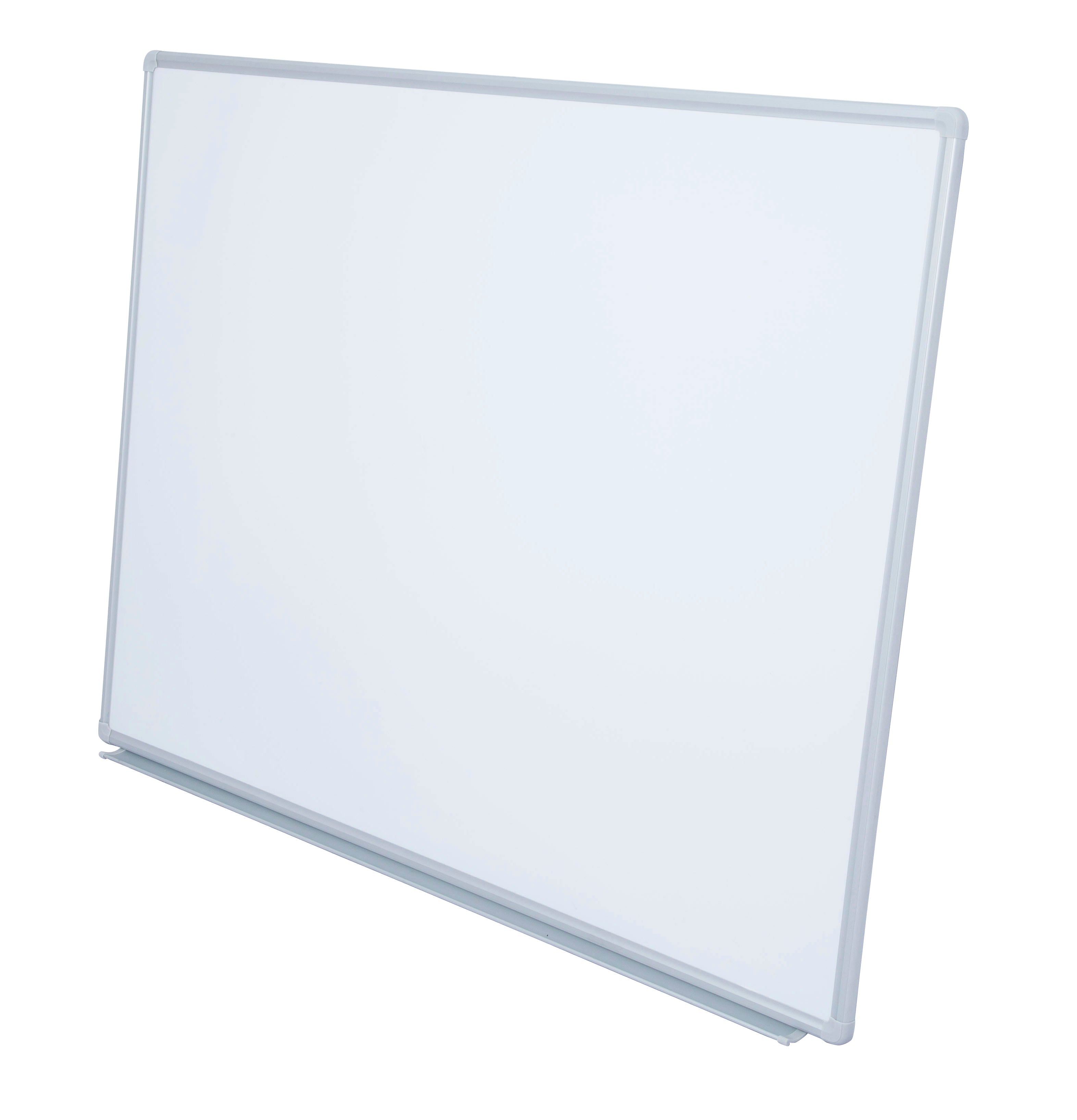
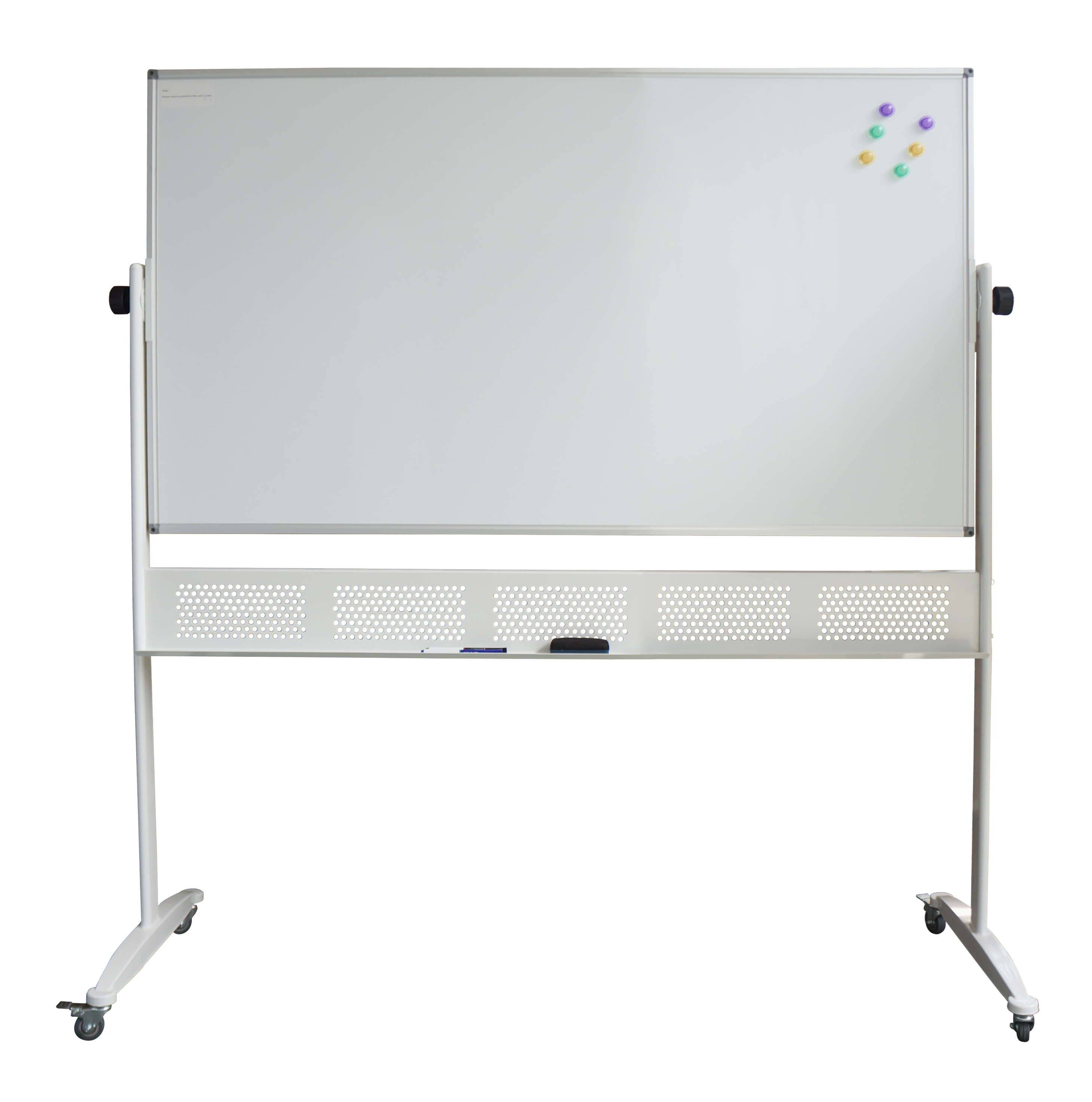
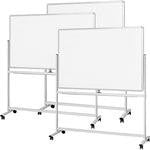
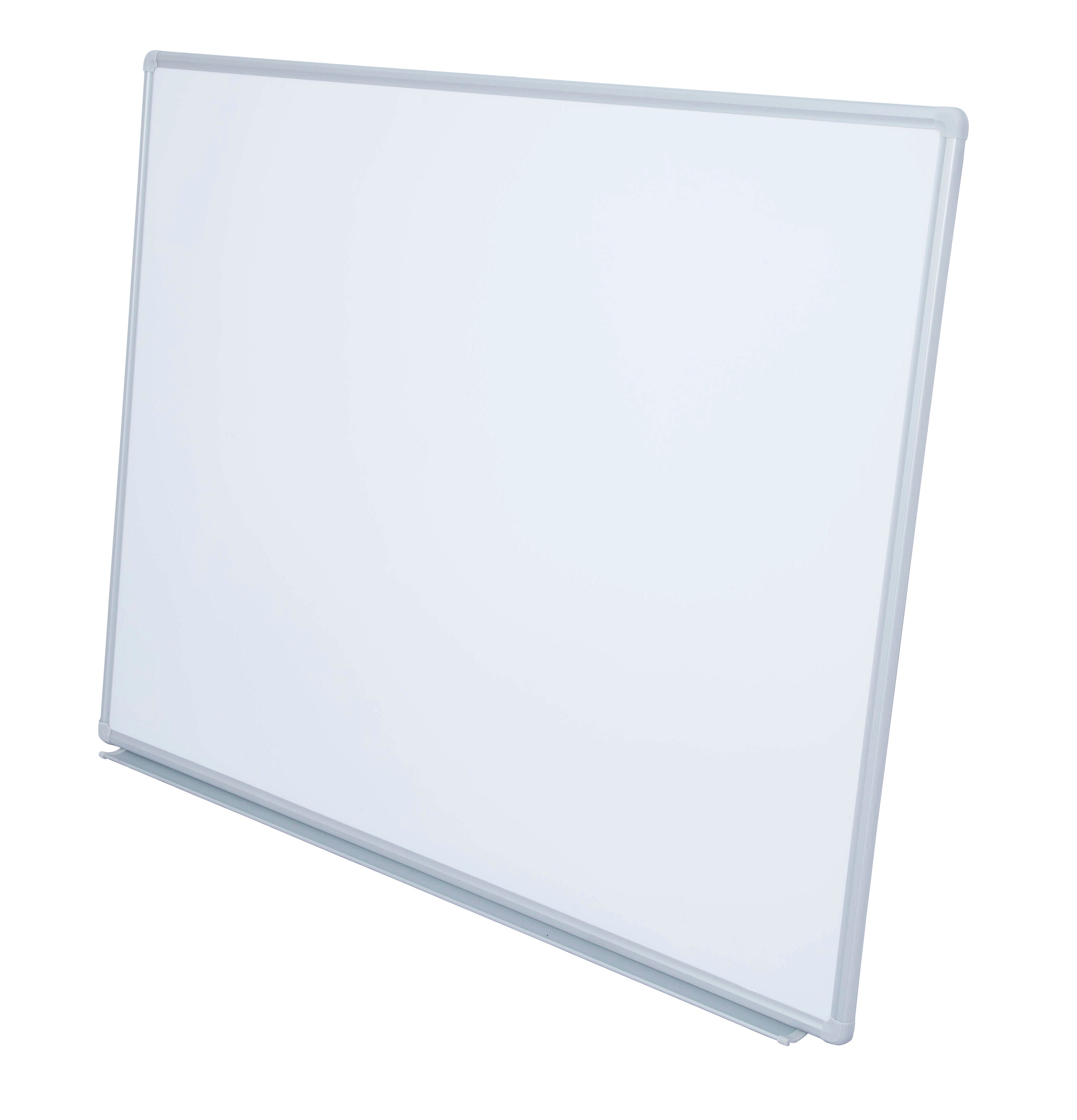


Let’s face it. A whiteboard is a whiteboard, right? Well nothing is further from the truth.
Commercial whiteboards were first invented in the early 1960’s and became popular in the 1980’s after the invention of the ‘dry erase whiteboard marker’. Before that, markers left stains on the surface making erasing very difficult.
The first whiteboards were very expensive, however many cheaper versions became available.
Today there are 5 versions of the whiteboard writing surface. If you are specifying a whiteboard for classrooms, meeting areas or projects there’s a board for everyone.
Types of Whiteboards
Laminated Paper
A thin, soft plastic resin is laminated onto a paper backing. Typically this is non-magnetic and sold as a cheap writing board for homes and small offices. At Elite Office Furniture, we do not supply laminated paper. At Elite Office Furniture, we do not supply laminated paper.
Hardcoat Laminate
Performance of this product is based on the topcoat resin used. Suppliers of this product are typically laminate companies. Such laminates are available in either a non-magnetic receptive surface or recently a magnetic receptive surface. Users of this product are generally cabinet companies who incorporate this into their offering as it’s reasonably easy to purchase. A thin steel sheet or metal shavings are incorporated under the surface to offer the magnetivity. The surface is hard and offers reasonable performance however, the topcoat is a resin, and that resin is a plastic polymer. Most suppliers of this product state that they are not recommended for heavy usage. The long term erasability of the surface is unknown as the product is only reasonably new. Cleaning advice is to use a soft cloth only. At Elite Office Furniture, we do not supply hardcore laminate.
Painted Steel
These surfaces are smooth and hard with the base plate made from a thin gauge Zinc treated steel. They can vary in thickness’s between 0.15 to 0.45mm. Most commercially available office whiteboards are supplied with this surface, with cheaper whiteboards having a thinner steel. The base polymer paint is sprayed onto the steel then baked in an oven at around 500 degrees Celsius. Painted steel surfaces are naturally magnetic receptive allowing for the use of standard magnets. Cleaning advice is for soft erasers but also includes other alternatives.

Browse Our Range of Painted Steel Whiteboards HERE
Porcelain On Steel
Sometimes termed as vitreous enamel or ceramic. The base plate is a 0.45-0.55mm steel plate. The porcelain powder is fused onto the steel surface under extreme heat in a kiln, around 1200-1400 degrees Celsius. The surface becomes extremely hard and is impervious to staining. It is highly scratch resistant, being harder than most things other than a diamond. Its magnetic receptive surface does not absorb dry erase or permanent marker inks. Cleaning advice is very flexible with a wide range of alternatives being acceptable. Porcelain surface whiteboards are ideally suited to high use whiteboard applications including classrooms and offices. There is a lifetime warranty on erasing.

Browse Our Range of Porcelain On Steel Whiteboards HERE
Glass Whiteboard
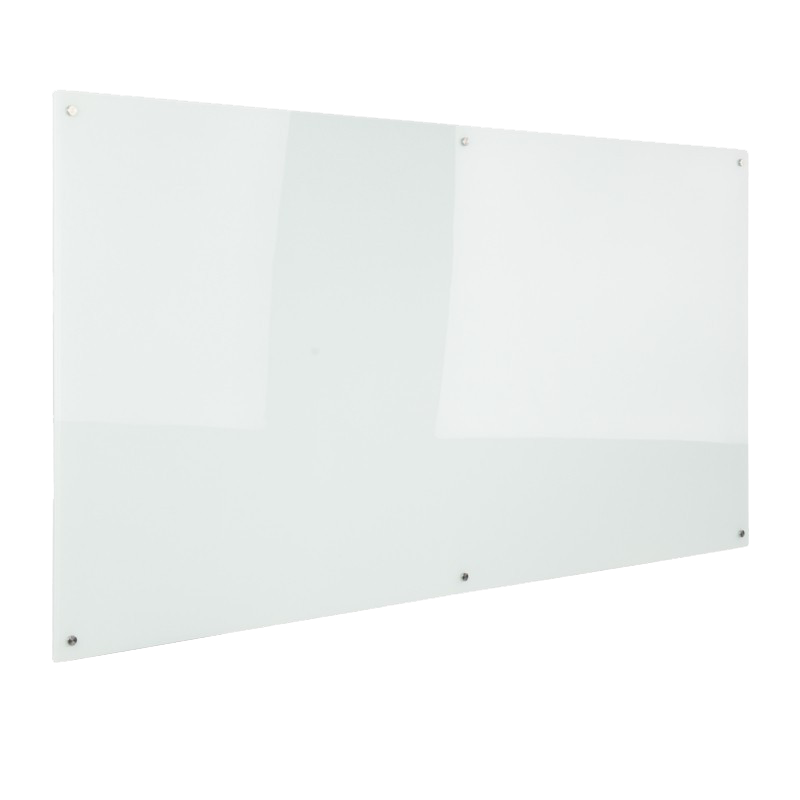
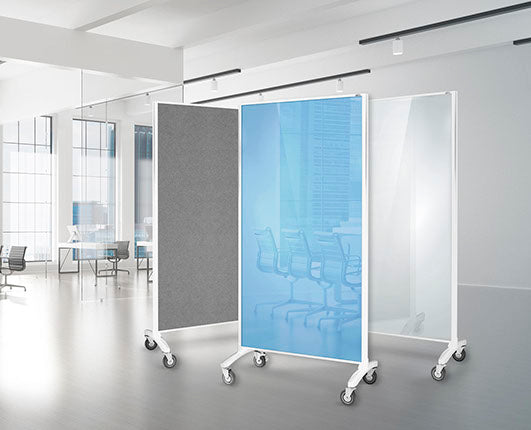
A recent introduction into the whiteboard writing space, glass whiteboards feature a 4.0-6.0mm tempered glass with a thin galvanised steel sheet backing, which provides magnetic receptiveness. Rare Earth (neodyium) magnets are used only, as cheaper ferrite magnets do not offer the strength to penetrate the glass. Glass is easy to erase so these boards are eminently suitable for all high writing requirements. Typically, glass whiteboards are installed with ‘off the wall’ fittings as most do not have a frame. There is a lifetime warranty on erasing and the surface can be cleaned by all cleaning solutions.

Browse Our Range of Glass Whiteboards HERE
|
Over a 10 year period |
Erasability Score / 10 |
Scratch Resistance Score / 10 |
|
Laminated Paper |
2 |
1 |
|
Hardcoat Laminate |
Unknown |
5 |
|
Painted Steel |
7 |
5.5 |
|
Porcelain Steel |
9 |
9.5 |
|
Glass Whiteboard |
9 |
9 |
Specifiers should select the surface that best suits the project and intensity of writing use intended. Clients expect the whiteboard surface to perform, so there is a responsibility to supply the right material. Some whiteboards surfaces, such as laminate, are very high gloss and reflect a great deal of light. This is not suitable for most educational environments and causes undue eye strain. Our Porcelain on Steel surfaces have typically 30-70% less glare than laminate. Laminate surfaces must have a backing otherwise the boards will be susceptible to bowing. All Visionchart Painted Steel, Porcelain Steel and Glass Whiteboards feature a galvanised steel backing which ensures effortless performance with no bowing.
Leave a comment
This site is protected by hCaptcha and the hCaptcha Privacy Policy and Terms of Service apply.